How Do Wetlands Breathe?

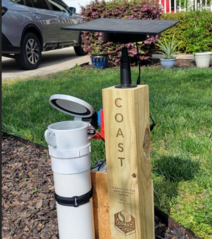
We built a device to find that out.  Introducing COAST, Carbon Observation Autonomous Sensing Terminal.

Carbon

Why does this matter?

Wetlands can release or absorb carbon dioxide. Researchers need good data to understand how these ecosystems affect the environment.

Collecting this data by hand can take a lot of time and effort.
Observation

Coast is a field device that:

  • Closes over a chamber
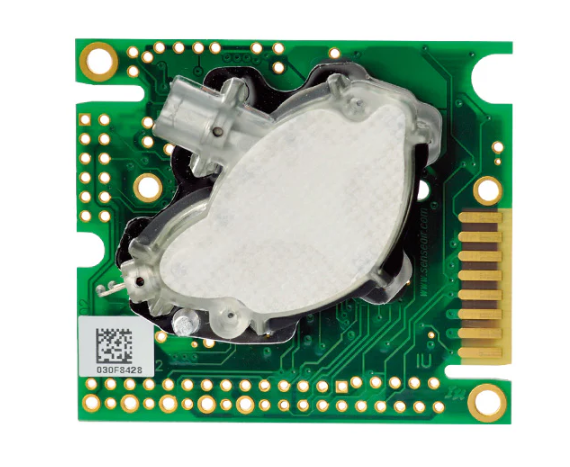
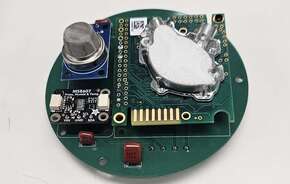
  • Measures carbon, temperature, humidity and pressure
  • Stores the data
  • Sends it to a website for viewing later

This helps researchers gather data autonomously.
Autonomous

  • Sensors collect measurements
  • A Microcontroller (MCU) reads the data
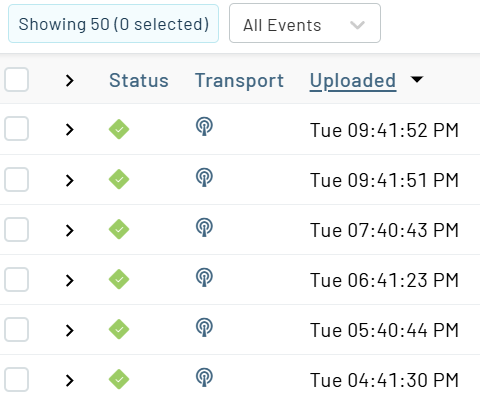
  • The data is stored on a backup SD card and sent to an online hub wirelessly
  • Researchers can view the results online
Sensing

  • IoT: Lets the device send data over the internet
  • Serial communication: helps electronic parts talk to each other
  • Sensors: measure environmental conditions
  • Clout dashboard: makes the data easy to view

Terminal

  • Highly Portable
  • Automatic data collection
  • Remote monitoring
  • Designed for outdoor environmental research
  • Works when internet access is not always available

Who Could Use COAST?

  • Environmental researchers
  • Students
  • Conservation Groups
  • Universities

This project supports studies of:

  • Wetlands
  • Soil and air exchange
  • Ecosystem health
  • Carbon tracking